Chapter 01
The Code
2012–2015
From university graduate to shipping a Top 10 app — learning that the best code solves a problem someone can feel.
Singapore, 2012
PaperPlaneCo was a tiny indie studio in Singapore — a content agency that used storytelling to build customer journeys for brands. The team was lean, the vibe was relaxed, and nobody seemed particularly worried that the fresh graduate they'd just hired had zero experience building 2D game apps.
My job was to build their first iPad application. Extraordinary Jenny Jones — an interactive storybook about a girl who sees the world differently. Circles look like squares to her. The whole thing was a message about accepting different perspectives, wrapped in hand-illustrated pages, hidden-object puzzles, and a cat called Chairman Miao who shows up when readers get stuck.
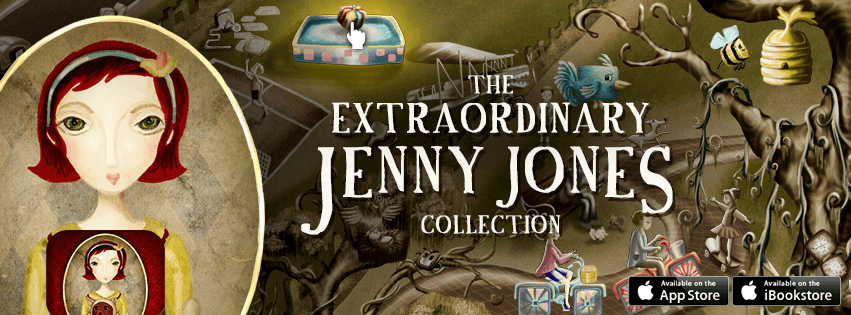
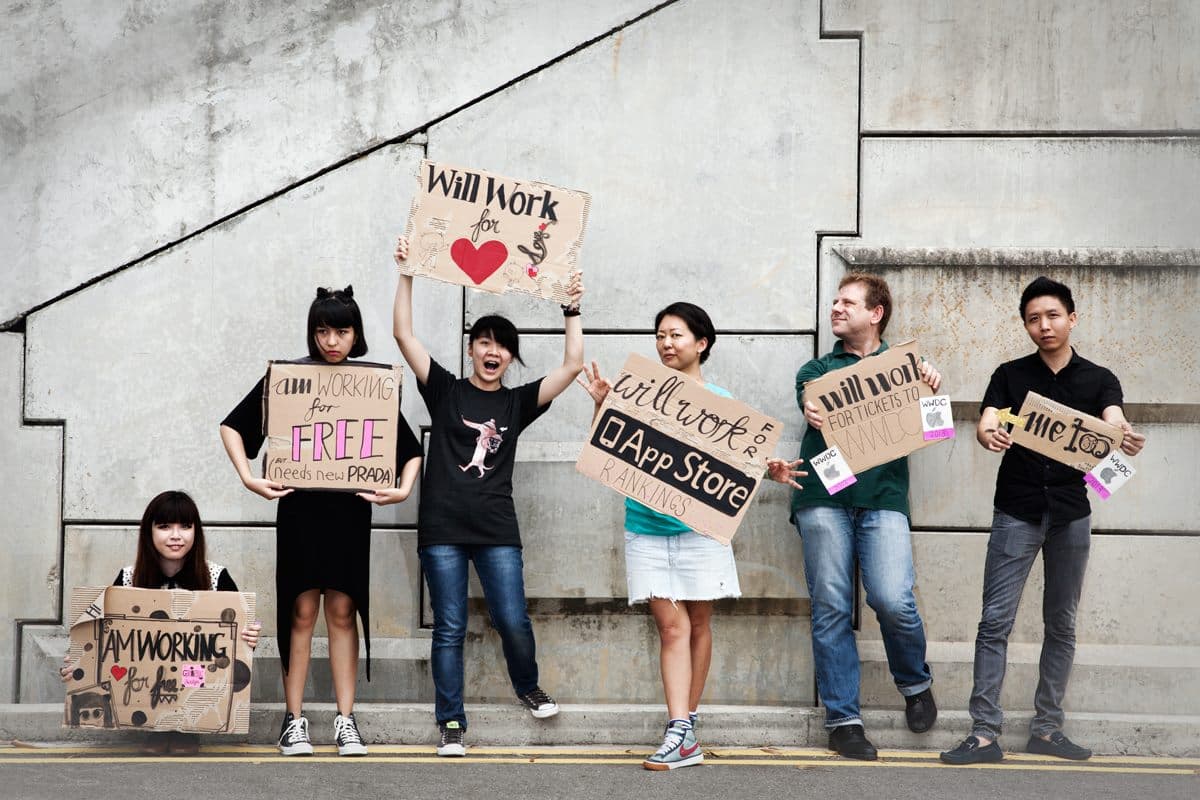
I built the entire thing. Horizontal scrolling navigation, pull-down curtain transitions between scenes, interactive puzzle layers on every page. It shipped in May 2013.
Then it hit Top 10 in the Books category on the US App Store.
Achievement unlocked. The first app I'd ever developed had made it that far, and I kept refreshing the rankings to make sure it was real.
That was when I understood what shipping actually means. Not code sitting in a repository — something out in the world, being used by people who don't know you and don't care how hard it was to build.
A few weeks later, I was checking for news about the app — something I did almost daily back then — and found a review from Kirkus Reviews. One of the most respected book review publications in the world. They praised the pacing and narration. For a kid's iPad storybook made by one developer at a small Singapore agency, that felt like quiet confirmation that the work was worth taking seriously.
Yangon, 2014
When I arrived in Yangon, you could feel something building. Telenor and Ooredoo had just rolled out affordable 3G, and a country of 50 million people was discovering smartphones for the first time. The mobile app ecosystem was almost empty. The digital boom was coming, and everyone knew it.
I joined Revo Digital, one of Myanmar's first digital agencies. They stood out because they had a clear vision: not just riding the wave, but taking a leading role in the country's digital transformation. That ambition was what drew me in.
I led the application development team. The project that mattered most was Phew Myanmar Alphabets — an educational app that taught the Myanmar script. Simple concept, complicated reality. Myanmar's Unicode adoption was still a mess, font rendering broke differently on every device, and most people in the country had never used a touchscreen.
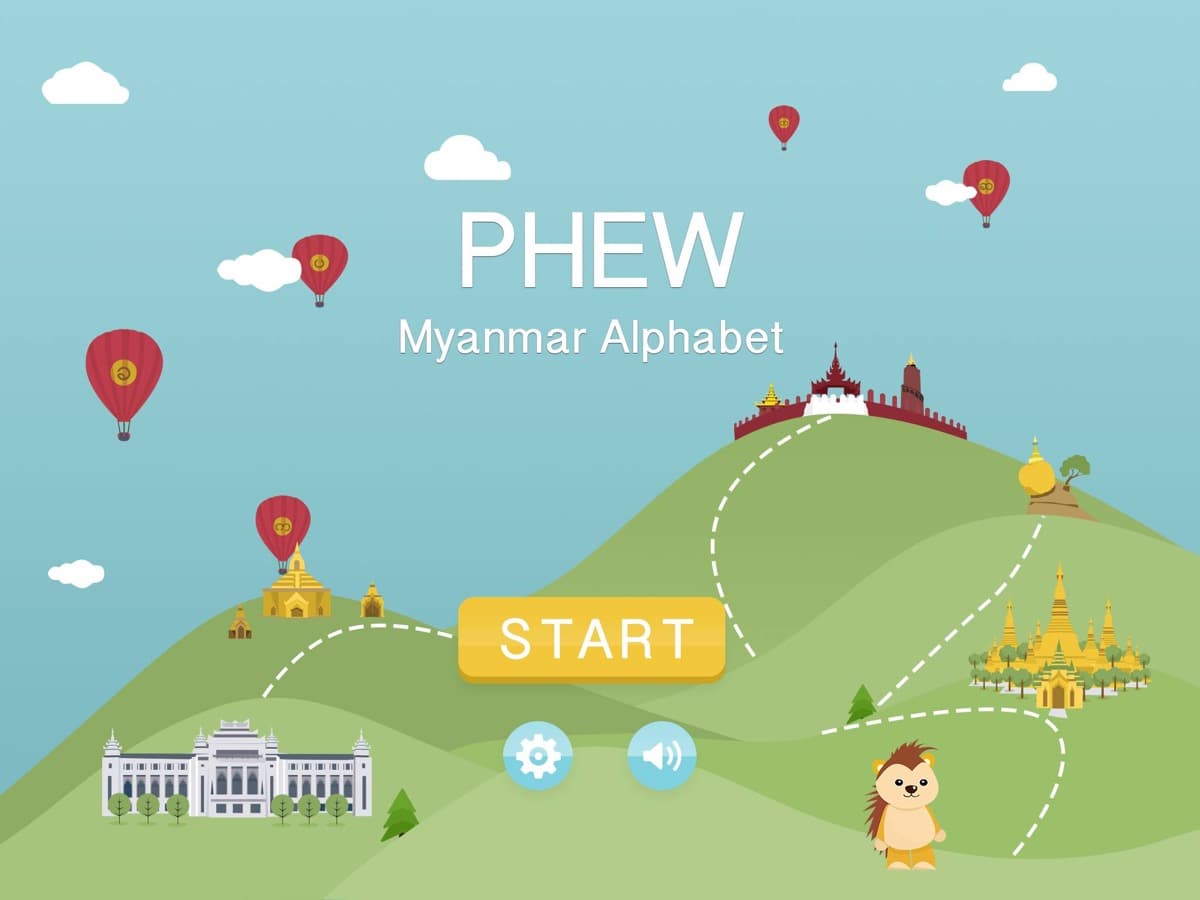
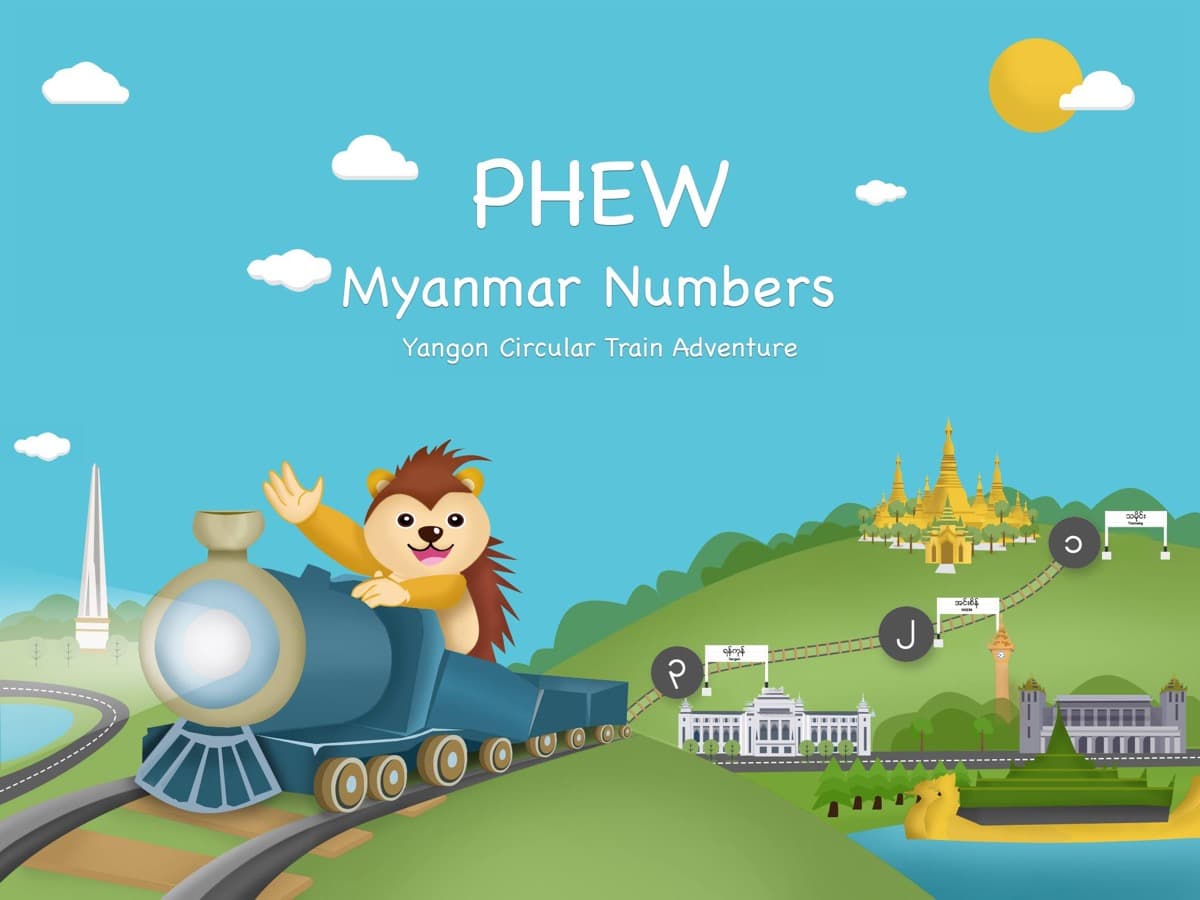
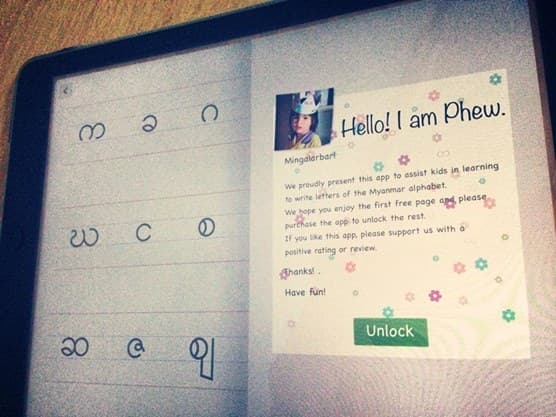
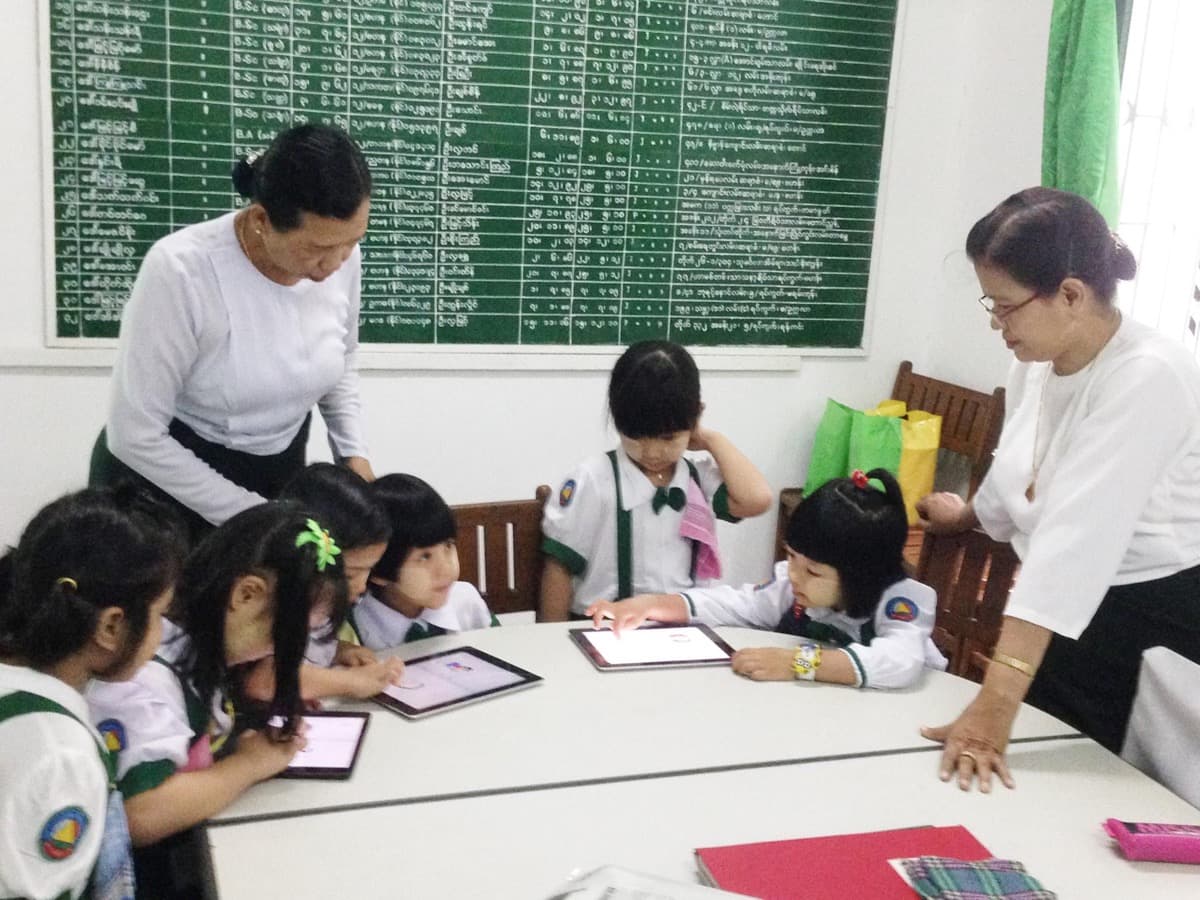
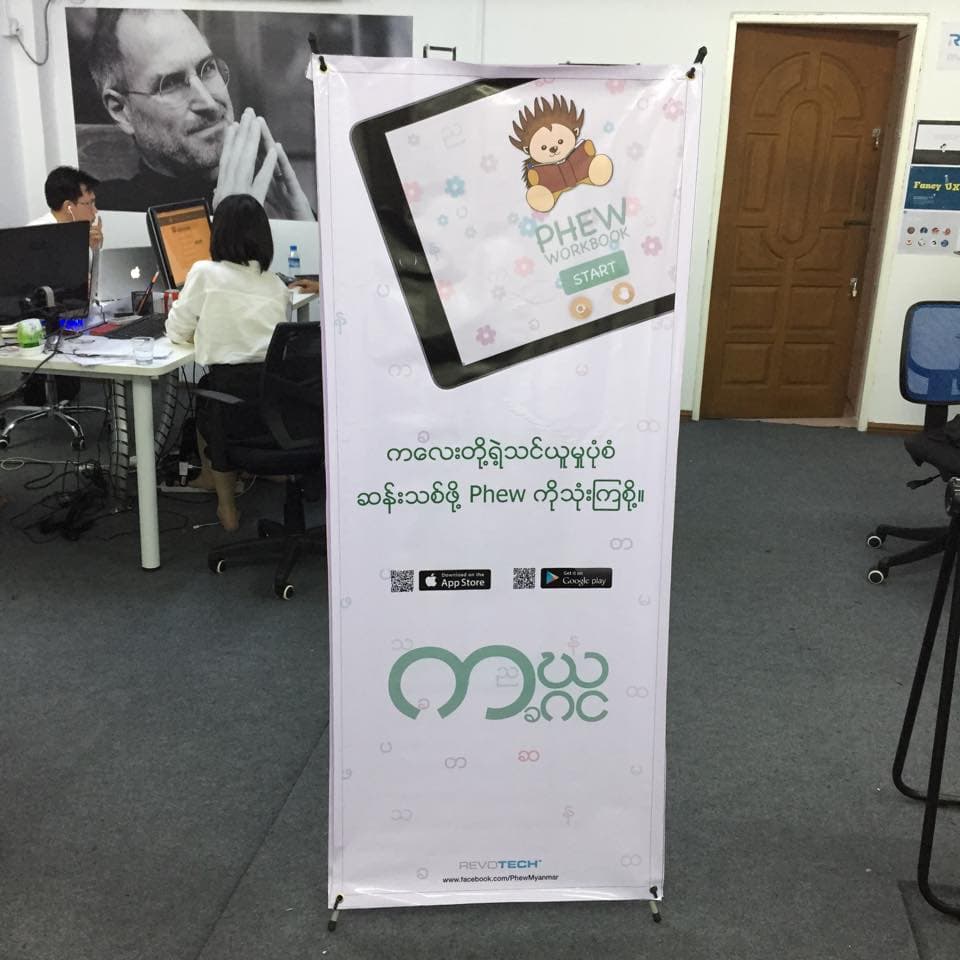
TechCrunch and Tech in Asia covered the app. Not because it was technically groundbreaking by global standards — it wasn't. But it meant something: a local team building for a local need, at the exact moment when the whole country was figuring out what phones could do.
What I carried forward
Looking back, two things from this chapter stuck with me more than anything else.
I discovered I care more about what I build than how I build it. Both apps had a purpose beyond the technology. Jenny Jones taught kids that seeing the world differently is a strength. Phew helped people learn their own alphabet on a device they'd never held before. The code was the means. The impact was the point.
And I developed a feel for timing — for recognising the moment when a market is about to move. Singapore to Myanmar was a jump from one of the world's most connected economies to one that was just waking up. Working in that gap between "nothing exists yet" and "everything is about to change" felt natural. It's a pattern I'd follow in every chapter after this one.
I was a developer. I was good at it. But I was starting to notice that the most interesting problems weren't in the code — they were in the space between the people who needed something built and the people who could build it.